Speed limits in Kenya: towns, highways, matatus and fines
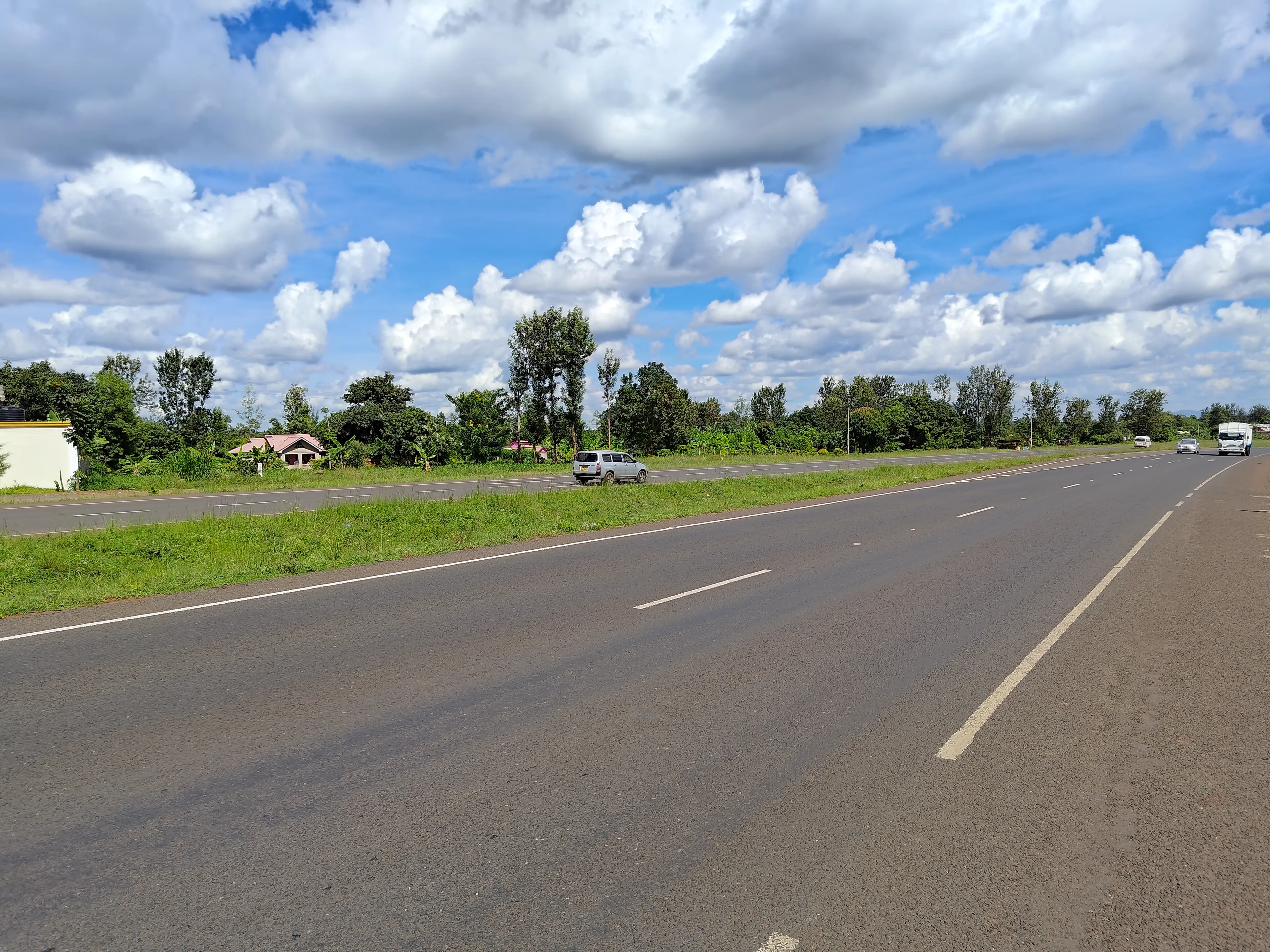

A short read. Take your time.
Speed limits in Kenya are set by the Traffic Act and the Speed Limits Rules. Police officers in uniform enforce them and may use speed cameras. Going 1 to 20 km/h over brings a warning or a fixed fine of up to KSh 10,000; more than 20 km/h over a posted limit goes to court, with a fine of at least KSh 20,000, at least 3 months in prison, or both.
The speed limit is the most you may do in good conditions. A sign can set a lower limit on a road, but never lifts your vehicle above its own limit. There is no single national limit near schools: keep to any lower limit the signs show, and slow right down where children may cross. In rain, fog or at night, drive slower than the limit, because your stopping distance grows with speed.
| Road or vehicle | Limit |
|---|---|
| Towns and built-up areas | 50 km/h |
| Cars on a single carriageway highway | 100 km/h |
| Cars on a dual carriageway highway | 110 km/h |
| Matatus, buses and commercial vehicles such as lorries, on any road | 80 km/h |
| Towing a trailer | 65 km/h |
Key Rules
- Towns and built-up areas: 50 km/h
- Cars on single carriageway highways: 100 km/h
- Cars on dual carriageway highways: 110 km/h
- Matatus, buses and commercial vehicles such as lorries: 80 km/h on any road (taxis follow car limits)
- Towing a trailer: 65 km/h
- Near schools, keep to any lower limit a sign shows and slow right down
Related topics
Test your speed limit knowledge
Test your knowledge with interactive road scenarios on TrafficBuddy.
Photo credits
Guides on this topic
- Rules for towing a trailer in KenyaA motor vehicle drawing one trailer is limited to 65 km/h on any type of road.
- Speed governors in Kenya: who must have one, and the fineEvery public service vehicle except a taxi cab must be fitted with a speed governor that stops it going over 80 km/h.
- Speed near schools in KenyaThere is no single national speed limit near schools.
- What are the speed limits in Kenya?In towns and built-up areas the limit is 50 km/h.